
Memory Lanes
Bowling through another year, trying to keep my mind out of the gutter

Lately I’ve been struggling with memory. Again. It was a major theme in my work to draw meaning from family and U.S. history in my book about my father and World War II. But the wrestling carries a more recent tint that perhaps could be characterized in the catch-phrase lament “Where did the time go?”
This theme is no surprise as I contemplate the end of the first month of a new year. The turn of the calendar always spurs my mind toward rusty reflections and evergreen aspirations.
Don’t mistake me, my mind offers up plenty of memories. A glance at a color, randomly heard guitar chord or particular turn in my daily travels conjure up an apartment from long ago, a song that influenced my worldview or a signpost that directed my path in life. From just a spark, a cascade of images and sense memories can recreate significant moments.
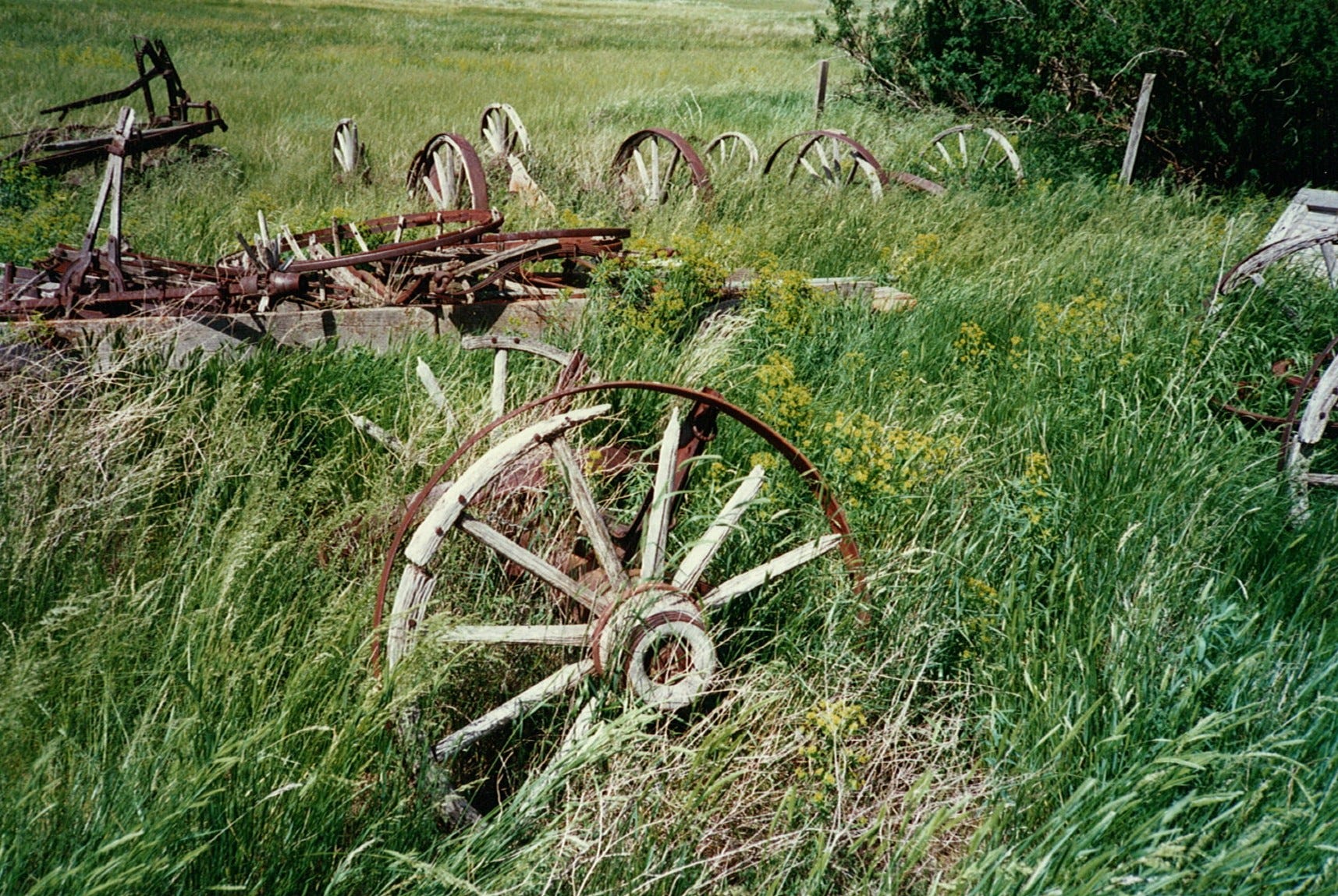
Sometimes, as in the case of a song, they echo in my thoughts for hours or even a day. When that happens, I ponder the continuity of consciousness that could take me from memory to madness.
Music is a major memory prompt for me, but reading about music does it too. I’m currently near the end of the detailed, perceptive book “The Name of This Band is R.E.M.” by Seattle writer Peter Ames Carlin. I’m at that point in the story when the band’s popularity has probably peaked, which for me is a place farther into their career than I can remember. As they became more ubiquitous on the radio – as much as I first thrilled toward their unique flavor and emotional punch – I had moved on to seeking a new life soundtrack.
Back in the early 1980s, R.E.M. offered me a new sonic path. I perceived their contribution to the moment as a step away from the anger of punk into emotional complexity, angst mixed with hopefulness. For me, exiting college into a plan unknown, that echoed deeply.
There would come to be music that affected me more profoundly, but the music that hits you at a particularly significant moment in your life will always echo that profundity.
R.E.M. also set the tone a bit for my first exploration into my father’s war at the genesis of my book research. Jetting to Italy for my research trip, otherworldliness at 30,000 feet, my half-asleep attention was grabbed by the band:
“I was tethered to the seat-back entertainment system (what would Dad have made of that?), and on screen and in my ears was a retrospective R.E.M. concert showcasing the rock band’s many BBC appearances. How small the world has become, I thought, that I am connected to my college days by a British broadcaster’s recording while surrounded by a jet filled with international travelers high above the Middle Atlantic. And for the thousandth time, what would Dad think!
“In the video, one of the R.E.M. musicians said that the soundtrack of college is exploratory, and singer Michael Stipe added that at some point the band had grown up and the music had changed. His compelling, inscrutable singing style and their melodies had been inescapable on my campus. Their records had been in perennial rotation on my turntable. But, Stipe said, it was always his job as a lyricist to hear the music as a landscape, and to populate that landscape with characters. His statement seemed so relevant, even profound.
“ ‘Did you never call?’ came lyrics over a fast guitar riff. ‘I waited for your call.…’ Talk about off-the-charts appropriate to my mood! I closed my eyes and succumbed to the chorus. ‘I’m sorry,’ came Stipe’s high tenor. ‘Sorry!’ ”
I did know Michael was singing about a broken romantic relationship, but music means what the listener feels, and at that moment, I ached with regret over having never been able to have an adult conversation with my father, and for not even recognizing the chasm that had created in my life.
The memory of the memory was so significant that it landed as a scene in my book.
Far beyond those watershed emotional moments, though, music and popular culture more broadly seem deeply filed in our memory banks.
How can it be that our minds decide to retain the most mundane?
R.E.M. did it for me again, with their song “Man on the Moon,” whose central themes are the image of the comedian Andy Kaufman’s antics on mid-1970s Saturday Night Live (“Andy are you goofing on Elvis – ‘hey baby’”) and the simple energy of youth (“Let’s play Twister, let’s play Risk, yeah yeah yeah yeah”).
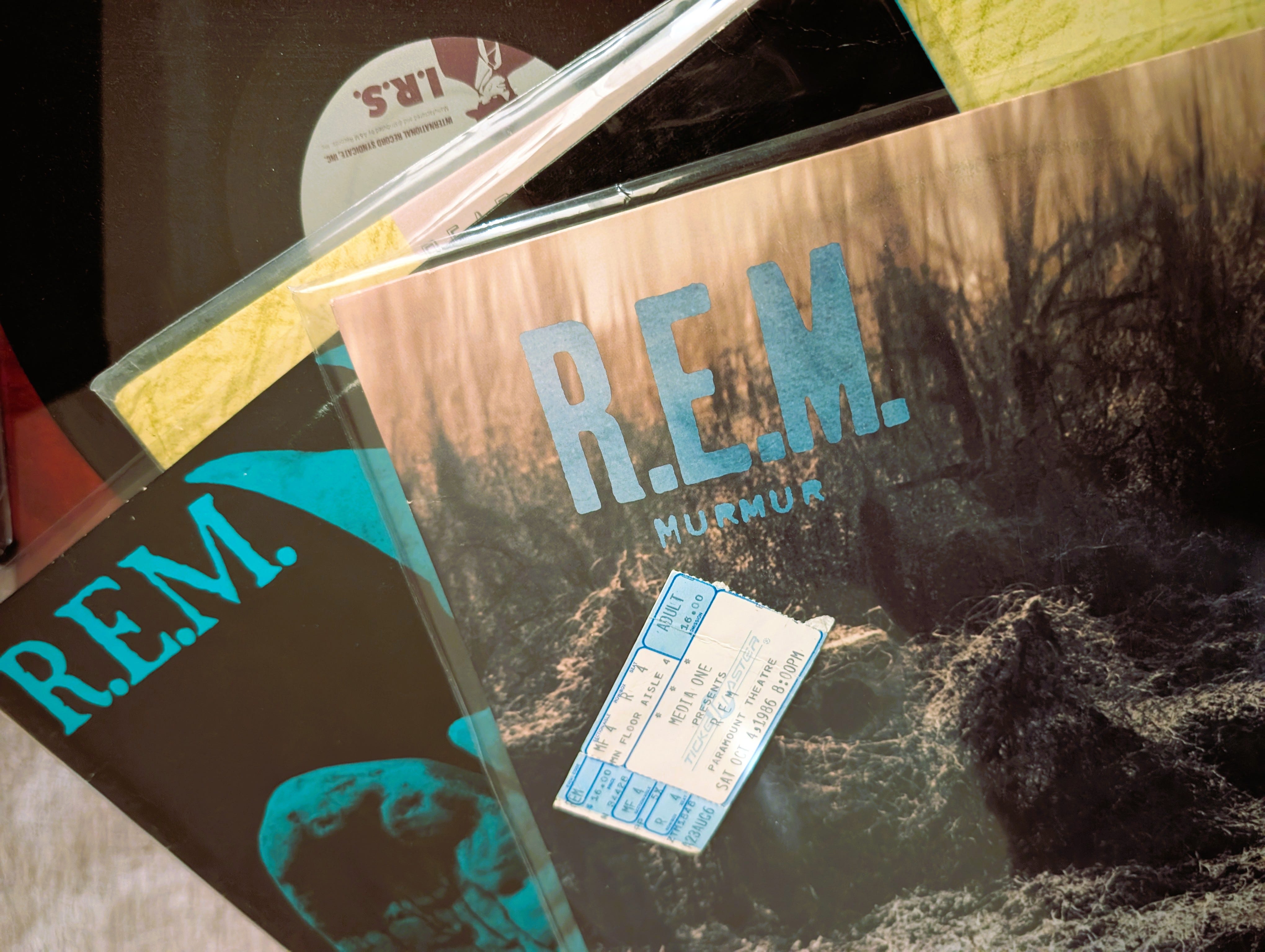
A comedian’s catch-phrase, the plot of a movie, even just the name of a minor actor in a silly sitcom can easily be retrieved into my image bank, seemingly at the expense of useful bits of education that would make it easier to understand our complex world. I can tell you Gilligan’s actor but not the Pythagorean theorem. “Off the top of my head,” anyway. Some memories require a little work, while others are … just there.
My randomly accessible, sometimes inconvenient, often incomplete memory can be maddening, and yet it also informs my actions, my very way of life. And yet also, I seem to be willing to let it slip away by outsourcing it to technology.
The details of history, as well as the facts of current events, are being recorded and made available for anyone who wants them. I am worried that will truncate our memory just as it has shortened our attention spans. Maybe, above all the challenges that society throws at me, that is what I most need to counteract.
I know, deep down, where the time goes. It slips away into repetitive everyday actions that are only occasionally broken up by significant moments or events. The volume of information going into my head is heavily weighted toward the mundane with only a sprinkling of the particular.
So maybe I have arrived, with one-twelfth of the new year already basketed, at a resolution. Among my many beloved activities and daily routines, to seek out a diversity of enlightenments, new routes, new civilizing connections. To boldly go where I have not gone before.
It’s always good to hear your stories about music and the deep impact it has on our lives. Believe it our not, I never went through an REM phase - never too late.
Thanks,
Steve